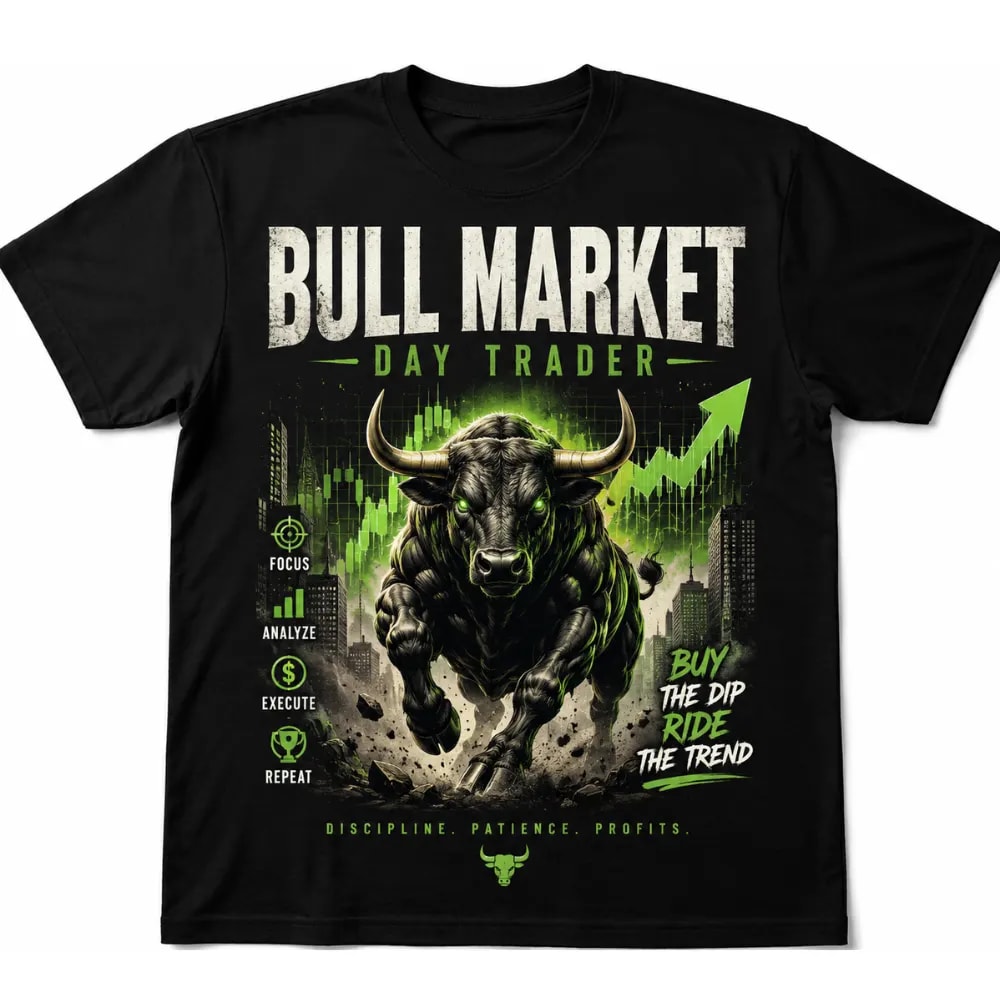
Fashion has always been a way to express who we are, but today, it is doing something entirely new. It is shifting from basic style to a bold statement of financial identity. What started a few years ago as simple t-shirts with a Bitcoin logo has now grown into a massive trend: Finance & Crypto Wear.
Today, day traders, Web3 enthusiasts, and modern investors are looking for clothes that match their tech-driven lifestyle. Your wardrobe is no longer just about looking good—it is about showing your belief in a decentralized digital future.
Let’s dive into how crypto fashion and high-end finance apparel are changing the way we look at modern clothing.
Why Crypto Fashion is Growing So Fast
If you look around the Web3 and financial trading communities, clothing has become a powerful tool to connect with like-minded people. Just like skate culture created massive streetwear brands in the past, the digital asset community is now building its own unique fashion ecosystem.
There are a few simple reasons why this market is catching everyone's attention:
-
The Power of Belonging: Wearing a minimalist Ethereum hoodie or a stylish crypto cap instantly signals that you belong to an exclusive digital community. It’s like a secret handshake for the internet age.
-
Bringing Digital Success to Real Life: High-net-worth investors who have found success in crypto love to showcase their passion in the physical world through premium, high-quality apparel.
-
The New 'Finance-Bro' Style: The classic corporate finance look is changing. Traditional office wear is mixing with digital asset culture, creating a modern, smart-casual style that fits both boardroom meetings and tech conferences.
Key Trends in Modern Finance Apparel
Crypto wear is no longer just about loud graphic tees. It has evolved into premium lifestyle clothing and highly functional tech accessories.
1. Minimalist Crypto Streetwear
The market has moved away from cheap, low-quality prints. Today’s trend is all about premium, heavy-cotton hoodies and t-shirts featuring clean, subtle designs. Instead of giant logos, people prefer small, elegant embroidery of the Bitcoin, Ethereum, or Solana symbols. Inside jokes, market terms like "HODL" or "Buy the Dip," and clean market chart patterns are incredibly popular among daily traders.
2. Wearable Security Accessories
As cryptocurrency security becomes more important, everyday accessories are turning into secure hardware storage. Investors want to keep their cold storage devices safe but accessible. We are now seeing titanium necklaces designed to hold hardware wallets like Ledger or Trezor safely, turning essential security into premium jewelry. Additionally, smart rings with biometric features and leather belts with hidden compartments to secure recovery phrases are becoming essential gear for long-term investors.
3. Smart Watch Faces and Real-Time Portfolios
The ultimate blend of tech and fashion is happening right on our wrists. Smartwatches can now display live market data directly onto custom watch faces. Traders can track real-time prices of top cryptocurrencies or current gas fees with a quick glance. You can even set up subtle alerts that vibrate when your favorite token hits a specific price target or when major transactions happen in the market.
The Next Level: What is 'Phygital' Fashion?
One of the most exciting concepts in modern retail is Phygital Fashion—clothing that exists as both a physical item in your wardrobe and a digital asset (like an NFT) on the blockchain.
It works through a simple and secure process. A premium jacket or hoodie is embedded with a small, scannable NFC chip. When you scan the item with a smartphone, it instantly verifies the authenticity of the clothing on the blockchain, proving it is not a fake copy. Even better, buying the physical piece often unlocks a digital twin version for your digital avatar in virtual spaces, bridgeing the gap between the real world and the digital world perfectly.
How to Spot High-Quality Crypto Merchandise
If you are looking to add finance-themed apparel to your wardrobe or collection, don't settle for cheap, low-grade options that lose their shape after a couple of washes. Look for these quality markers:
-
Fabric Weight: Always check the fabric weight. Look for shirts that feel heavy and durable, and hoodies that offer a thick, luxury feel.
-
Premium Detailing: High-quality embroidery or advanced printing techniques last much longer than cheap screen prints, keeping the design sharp for years.
-
Subtle, Smart Designs: The best finance wear follows the "If You Know, You Know" rule. Subtle, intelligent designs look far more professional and stylish than loud, bright logos.
The Future of What We Wear
We are only seeing the beginning of what is possible. As smart fabrics advance, we might soon see t-shirts that can subtly change color based on whether the market is green or red today.
Ultimately, finance and crypto wear is a reflection of innovation, freedom, and modern culture. By choosing these pieces, you aren't just following a fashion trend—you are showing that you are an active part of the future global economy.